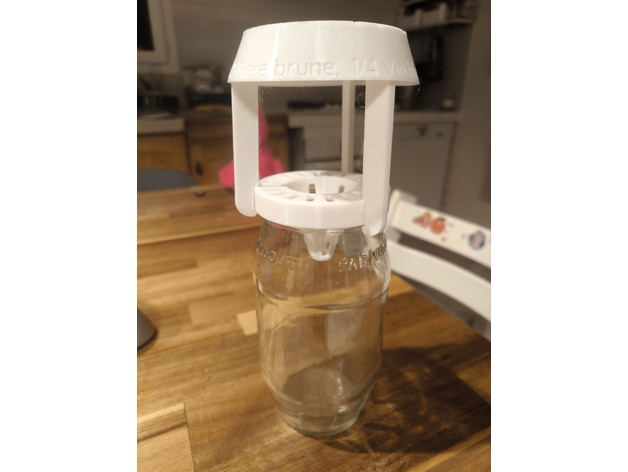
DIY Asian Hornet Trap: Build a Selective Device to Protect Bees
The delicate balance of our ecosystems faces a persistent and growing threat from invasive species. Among the most concerning for pollinator populations, particularly honeybees, is the Asian hornet, or *Vespa velutina nigrithorax*. This formidable predator, often referred to in its native French as "piège frelon asiatique," has rapidly spread across Europe and beyond, decimating bee colonies and disrupting vital pollination services. While commercial traps exist, many suffer from a critical flaw: their lack of specificity. They indiscriminately capture a wide range of insects, including beneficial native pollinators and other valuable biodiversity. This article will guide you through building an effective, selective DIY Asian hornet trap, designed to primarily target the invasive species while minimizing harm to others, thus safeguarding our precious bees and ecosystem.
The Asian Hornet Threat and Why Selective Trapping Matters
The Asian hornet is not just a nuisance; it's an ecological disaster in progress. Its aggressive hunting behavior targets honeybees, hovering menacingly outside hives, ambushing foragers, and even entering colonies to raid brood. This predation puts immense stress on bee populations, already struggling with habitat loss, pesticides, and disease. For beekeepers, the sight of a "frelon asiatique" at the hive entrance signals a direct threat to their livelihood and the health of their apiaries.
The urgency to combat this invasive species has led to a proliferation of trapping solutions. However, many off-the-shelf traps use broad-spectrum baits and designs that ensnare any insect attracted to them. This collateral damage can be as harmful as the hornet itself, killing native wasps, flies, moths, and even beneficial European hornets (*Vespa crabro*), which are crucial predators of other pests. The key to responsible hornet control lies in selectivity. A well-designed "piège frelon asiatique" must allow smaller, beneficial insects to escape, focusing its capture efforts on the larger, invasive hornet. Our DIY design, with its precisely sized exit holes, is engineered to achieve exactly that, ensuring that your efforts truly protect pollinators rather than inadvertently harming them.
Timing is Everything: Targeting Founder Queens
Effective trapping of the Asian hornet hinges on understanding its life cycle, particularly the crucial role of the founder queen. These solitary queens emerge from hibernation in early spring, typically when temperatures consistently exceed 13°C (55°F) during the day. This period, generally from mid-February in milder regions extending through to mid-April, marks the prime window for trapping. Why is this timing so critical? Because each founder queen captured at this stage prevents the establishment of an entire new colony, which can house thousands of hornets by summer. It's a proactive, preventative measure that yields maximum impact for minimum effort.
Once a queen has successfully built her primary nest and begun laying eggs, she will rarely leave it. Trapping after mid-April becomes significantly less effective against founder queens, though it may catch foraging workers later in the season. Therefore, placing your traps strategically during this early spring period is paramount. Outside of this specific window, it is vital to remove your traps to prevent accidentally catching non-target insects, especially the beneficial European hornet. These native hornets, while visually similar, are larger and play an important role in controlling other insect populations. Always verify the species of any captured hornet; if it's not an Asian hornet, release it immediately to preserve local biodiversity. For a deeper dive into seasonal trapping strategies, explore our article on
Effective Asian Hornet Trapping: Target Founder Queens Seasonally.
Optimal trap placement further enhances effectiveness. Asian hornet queens emerging from hibernation will seek out sheltered areas, often near wood piles, compost heaps, or dense vegetation. They also require water to build their nests and sustenance to build their energy reserves. Therefore, strategic locations include:
* **Near wood piles or sheltered areas:** These offer ideal spots for queens to emerge from hibernation.
* **Close to a water source:** Hornets need water for nest building and hydration. Choose a spot sheltered from strong winds.
* **In flowering zones:** Early emerging queens are foraging for carbohydrates (nectar/fruit) to replenish energy.
* **Adjacent to beehives:** If you're a beekeeper, placing traps near your apiary is a direct line of defense.
Gather Your Materials: Building Your DIY Piège Frelon Asiatique
One of the great advantages of building your own selective Asian hornet trap is its cost-effectiveness and sustainability. You’ll primarily use recycled materials and common household items.
For the Trap Structure:
*
Two plastic bottles (1.5-2 liter): Clear soda or water bottles work best. Choose bottles with a relatively straight body for easy cutting and fitting.
*
A sharp utility knife or strong scissors: For precise cutting.
*
A piece of dense foam or a thin wooden disc: Approximately the diameter of the inside bottom of your bottle. This will serve as a floating platform.
*
A ruler or measuring tape: Essential for precise measurements of the escape holes.
*
A marker pen: For marking cut lines.
*
Optional: A small stick or skewer (approx. 5mm wide) to help guide the exit hole cut.
For the Bait (Homemade & Irresistible):
The key to attracting Asian hornet queens specifically lies in a bait that appeals to their early spring dietary needs, typically a fermented, sweet, and slightly alcoholic mix.
*
Option 1 (Commonly Recommended):
* 1/3 volume dark beer (preferably flat or slightly expired)
* 1/3 volume white wine (dry, not sweet, to deter bees)
* 1/3 volume fruit syrup (e.g., grenadine, blackcurrant, or fruit juice concentrate)
*
Option 2 (Bee-Friendly Alternative):
* A mixture of apple cider vinegar (which deters bees)
* Sugar or fruit syrup
* Water
* A splash of beer or fermented fruit juice for aroma.
* *Note:* The acidity of vinegar helps deter bees, while the sweetness and fermentation attract hornets.
Experiment with small amounts to find what works best in your region. The goal is a potent, attractive aroma that doesn't appeal broadly to beneficial insects like honeybees.
Step-by-Step Guide: Crafting Your Selective Trap
Building your effective "piège frelon asiatique" is a straightforward process. Follow these steps carefully to ensure your trap is both functional and selective:
1.
Prepare the Main Bottle Body: Take one of your plastic bottles. Using a marker and ruler, draw a line roughly halfway up the bottle. Carefully cut the bottle in half along this line using your utility knife or strong scissors. Be mindful of safety – plastic can be slippery. You will use the bottom half as the main trap body and the top half (with the bottleneck) as the entry funnel.
2.
Create the Floating Platform: Take your piece of dense foam or thin wooden disc. Cut it to fit snugly inside the bottom of your bottle half. This platform is crucial: it prevents insects from drowning while still allowing them to access the bait. Place this disc at the bottom of your main trap body.
3.
Design the Selective Exit Holes: This is the most critical step for selectivity. Just above the surface level of your foam disc, on the side of the bottle, you need to create escape routes for smaller, non-target insects.
* Draw and then cut one or two rectangular openings. The absolute maximum height of these openings should not exceed
5.5 millimeters. This precise measurement is key: smaller insects like bees and flies can easily escape through this gap, while the larger Asian hornet (and even larger European hornet) will be too big to fit through.
* For added stability and as a guide, you can cut a small notch into the top edge of this rectangular opening to allow a half-width stick or skewer (approx. 5mm wide) to rest across it, helping to maintain the 5.5mm height.
* Ensure the width of the exit hole is sufficient for smaller insects to pass through easily, but the height is strictly controlled.
4.
Assemble the Inverted Funnel: Take the top half of the first bottle (the part with the bottleneck). Remove the cap. Invert this section and nestle it into the bottom half you just prepared, so the bottleneck points downwards into the trap. It should fit snugly like a funnel. If it's loose, you can secure it with a few staples or tape.
5.
Prepare and Add the Bait: Mix your chosen bait ingredients thoroughly. Pour enough bait into the trap so that the foam disc is fully saturated and there's a small pool of liquid above it, but not so much that it covers your selective escape holes. The scent of the fermented bait will attract the hornets, and they will enter through the inverted funnel.
6.
Trap Placement: With your "piège frelon asiatique" ready, place it in the strategic locations discussed earlier – near wood piles, sheltered water sources, flowering areas, and especially near any beehives. Ensure it's stable and won't be knocked over by wind or animals. For more ideas on how to specifically craft and place your traps, see our guide on
Protect Pollinators: Craft Your Own Specific Asian Hornet Trap.
Maintaining and Monitoring Your Traps
Building the trap is only half the battle; consistent maintenance and monitoring are essential for success.
*
Regular Checks: Check your traps every 2-3 days. This allows you to remove captured hornets, replenish bait, and crucially, release any non-target insects.
*
Bait Refreshment: The bait will lose its potency over time due to evaporation or saturation. Refresh the bait every week or sooner if it appears dry or ineffective. Simply pour out the old bait (dispose of it responsibly) and replace with a fresh batch.
*
Species Identification and Release: When checking your trap, carefully observe any trapped insects. If you identify a European hornet or any other beneficial insect (e.g., a large beetle, a moth), gently tip the trap on its side and encourage it to escape through the 5.5mm holes. If necessary, you can carefully un-nest the funnel section to release larger non-target species. Always prioritize the preservation of native biodiversity.
*
Safe Disposal: Captured Asian hornets should be humanely dispatched. A common method is to place the entire trap in a freezer for a few hours. Once they are no longer active, you can dispose of them.
*
Safety Precautions: While working with traps, especially when hornets are present, exercise caution. Wear gloves and long sleeves. Asian hornets can sting multiple times, and their venom can cause allergic reactions in some individuals. Avoid sudden movements around active traps.
Implementing these DIY selective Asian hornet traps is a proactive step anyone can take to protect local bee populations and contribute to ecological balance. By targeting the invasive founder queens during their crucial emergence period, you can significantly reduce the pressure on our pollinators and help safeguard the future of our natural environment. This collective effort, from individual gardens to community initiatives, forms a vital defense against the ongoing threat posed by the "piège frelon asiatique."